
Ongoing AEO Optimization for SaaS: The Compounding Effect Nobody Talks About
Ongoing AEO Optimization for SaaS: The Compounding Effect Nobody Talks About. Learn how OnlyAEO helps brands build measurable AI visibility across ChatGPT, Claude, Gemini, and DeepSeek.

Key Highlights
- SaaS brands that maintain consistent AEO investment see citation share growth accelerate after month three due to compounding entity authority
- The compounding effect works because AI models weight established, consistently publishing brands more heavily than intermittent publishers
- Pausing AEO creates a visibility decay curve where competitors fill your citation gaps within eight to twelve weeks
- OnlyAEO runs continuous monthly optimization cycles for SaaS clients, adjusting strategy based on competitive intelligence while maintaining citation velocity
The AEO investment that nobody talks about is the one you make in month seven
Every SaaS marketing leader wants to know about the first 90 days of AEO. Fair enough, that is where the proof point lives. But the real magic happens after month six, and almost nobody is talking about it.
We have run AEO programs for SaaS brands over twelve-month periods. The pattern is consistent: the gains from months seven through twelve exceed the gains from months one through six. Not by a little. By a lot.
This is the compounding effect, and it is the single most powerful argument for ongoing AEO investment over short-term campaigns.
How compounding works in AEO
AI models build entity profiles based on the signals they encounter. Each piece of high-quality content associated with your brand strengthens the model's confidence in your brand as an authority on that topic. This confidence is not linear. It compounds.
Think of it as a trust score. The first 100 articles establish that your brand has something to say about a topic. The model takes note but remains cautious. The next 100 articles, covering different angles of the same topics, reinforce the signal. The model begins to treat your brand as a reliable source. By 500 articles, the model has so many consistent signals that your brand becomes a default recommendation for queries in your topic area.
The compounding effect means that article 500 is more impactful than article 50, even if the content quality is identical. The accumulated entity authority amplifies the value of each new piece of content.
The numbers behind SaaS AEO compounding
Across our SaaS client portfolio, the compounding pattern looks like this:
| Period | Avg Monthly Citation Share Gain | Cumulative Citation Share | What Drives the Acceleration |
|---|---|---|---|
| Months 1-3 | 2-3% per month | 6-9% | Foundation building and initial signals |
| Months 4-6 | 4-6% per month | 18-27% | Entity authority established, broader query wins |
| Months 7-9 | 5-8% per month | 33-51% | Compounding entity authority, competitive displacement |
| Months 10-12 | 6-10% per month | 51-81% | Dominant category authority, defensive positioning |
The acceleration is real. A SaaS brand that commits to twelve months of consistent AEO investment ends up with a citation share position that would have taken a competitor starting from scratch twelve to eighteen months to replicate. That is a durable competitive moat.
Why stopping creates a decay curve
The flip side of compounding is decay. When you stop publishing, you stop sending the consistent signals that maintain your entity authority. AI models are continuously updated with fresh data, and competitors publishing actively will gradually fill the citation gaps you leave behind.
We have tracked the decay pattern in brands that paused AEO:
After four weeks of inactivity, citation share holds steady. Models update on cycles longer than a month, so the lag period provides a brief window.
After eight weeks, the first drops appear. New competitor content begins displacing your brand from specific queries.
After twelve weeks, the decline accelerates. Your brand is still known to the model, but its confidence in your authority is eroding as competitors provide more recent and more comprehensive signals.
After six months, most of the gains are gone. The brand that took twelve months to build 50% citation share is back to single digits.
The ongoing optimization playbook
Effective ongoing AEO for SaaS is not just "keep publishing." It is a monthly cycle of four activities.
Performance review using Gumshoe data to assess which queries were won, which were lost, and where competitive dynamics shifted. This review drives every subsequent decision.
Strategy adjustment based on the performance review. Priority queries may shift as competitors respond, as new buyer patterns emerge, or as AI models update their knowledge. The content calendar for the next month reflects these shifts.
Content production at maintained velocity. OnlyAEO Growth plan clients produce 500+ articles per month, every month, without gaps. Consistency is more important than peaks.
Technical monitoring to ensure schema, entity signals, and content structure remain aligned with best practices as AI models evolve their parsing and citation behaviors.
This four-step cycle, repeated monthly for twelve months, is what builds the compounding advantage that makes AEO the highest-ROI marketing investment for SaaS brands.
Build your compounding AEO advantage
We will baseline your AI visibility, launch the ongoing optimization program, and deliver monthly reports showing your citation share compounding month over month across all four AI models.
Start Building Your MoatFrequently Asked Questions
How does AEO compounding work for SaaS brands?+
When does the AEO compounding effect start?+
What happens when a SaaS brand pauses AEO?+
How much content does ongoing SaaS AEO require?+
What is the monthly AEO optimization cycle?+

OnlyAEO
Expert insights on Answer Engine Optimization and AI visibility strategy.
Related Articles

The SaaS Marketing Leader's Playbook for Measured AI Visibility
Operational playbook for SaaS marketing leaders to build and run a measured AI visibility program. Step-by-step process from first audit to ongoing optimization.
Read article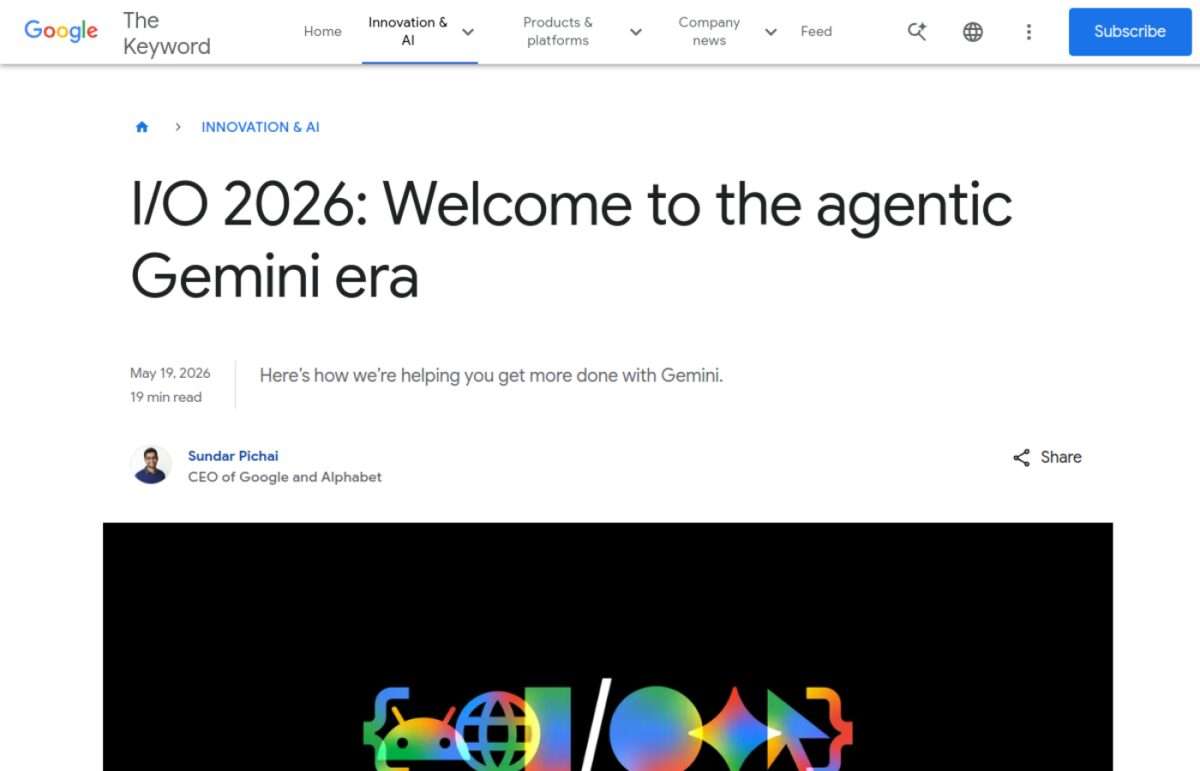
Search Is Changing. A CMO's 2026 Field Guide to AEO.
Sundar Pichai called it the deepest change in Search's history. Here's what every CMO needs to know about AEO and GEO, sourced from Google I/O 2026, OpenAI, Anthropic, Perplexity, HubSpot, Ahrefs, Semrush, and 18 practitioners.
Read article
Cross-Platform AEO Coverage: How OnlyAEO Optimizes for Every Major Model
Why single-model AEO strategies underperform, how cross-platform coverage actually works across ChatGPT, Claude, Gemini and DeepSeek, and OnlyAEO's practitioner framework for measuring and improving model-level citation rates.
Read article